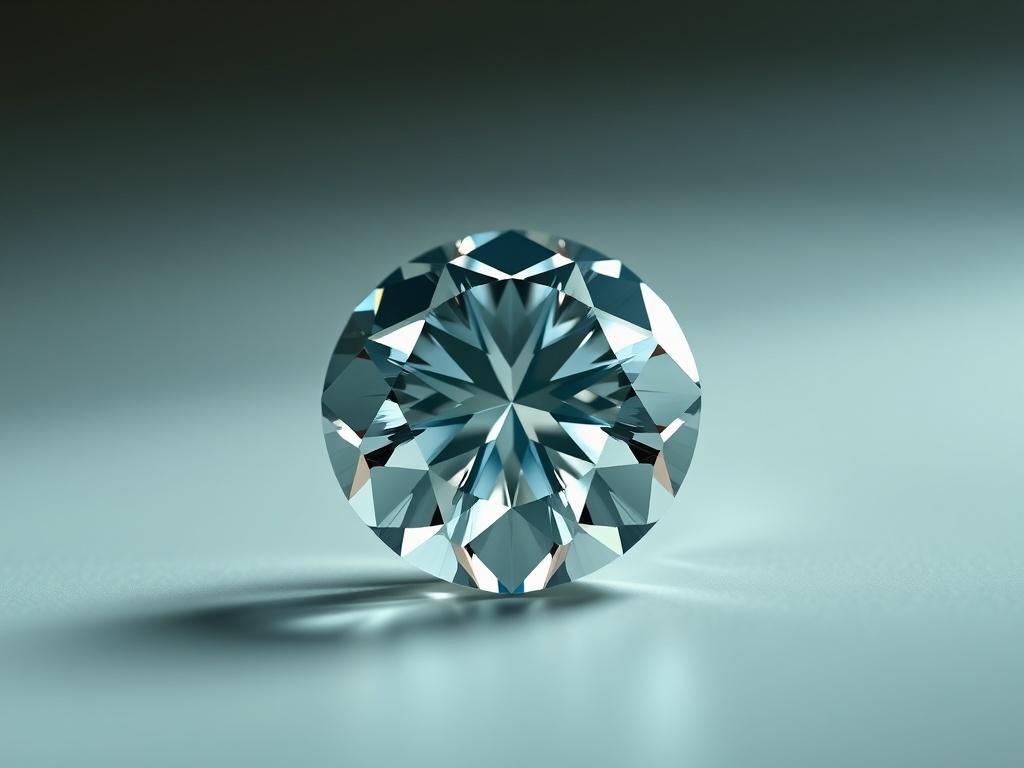
Diamonds have long been a symbol of love, commitment, and luxury, but as technology advances, a new contender has emerged in the gemstone market: lab-grown diamonds. These stones, crafted in controlled environments using innovative techniques, mirror their natural counterparts in appearance and chemical composition. As more consumers explore the key differences between lab-grown and natural diamonds, understanding the benefits, ethical implications, and overall value of each option becomes essential.
In recent years, lab-grown diamonds have gained significant popularity due to their affordability, sustainability, and the transparent practices surrounding their production. Choosing the perfect diamond can feel overwhelming, especially with such impactful differences at play. This blog post dives into the nuances that set lab-grown diamonds apart from natural diamonds, helping you make an informed choice for your special occasion or investment. Join us as we explore the fascinating world of diamonds and discover which option might be right for you.
Discover the key differences between lab-grown and natural diamonds
Lab-grown diamonds and natural diamonds may appear identical to the naked eye, but their origins set them apart. Natural diamonds form over millions of years deep within the Earth's mantle under extreme pressure and heat, making them a product of geological processes. In contrast, lab-grown diamonds emerge in weeks through advanced technological methods, such as High-Pressure High-Temperature (HPHT) or Chemical Vapor Deposition (CVD). Both types share the same carbon structure and possess similar physical and chemical properties, but the distinct processes of their formation introduce essential differences in their sourcing and pricing.
The market dynamics between lab-grown and natural diamonds further highlight their differences. Natural diamonds often come with a significant premium due to their rarity and the traditional processes involved in extraction from the Earth. Conversely, lab-grown diamonds tend to be more affordable, as their production is less resource-intensive and quicker. This cost differential plays a crucial role in consumers' decision-making, especially as society embraces more sustainable alternatives. Understanding these key differences allows potential buyers to make informed choices that align with their values and budget, while also exploring the evolving landscape of the diamond industry.
Why lab-grown diamonds are gaining popularity: A closer look
Lab-grown diamonds have witnessed a surge in popularity due to their ethical and environmental advantages. Consumers today are more conscious of the origins of their purchases, and lab-grown diamonds offer a clear alternative to the controversies surrounding natural diamonds, often linked to conflict zones and unsustainable mining practices. These diamonds are created in controlled environments, eliminating the potential for human rights abuses. Additionally, lab-grown diamonds boast a lower carbon footprint, appealing to eco-conscious shoppers who prioritize sustainability in their buying decisions.
Affordability also plays a significant role in the growing appeal of lab-grown diamonds. Typically, these diamonds cost 20-40% less than their natural counterparts, allowing consumers to obtain a larger carat weight for the same price or to save money for other aspects of their jewelry purchase. As technology advances, the quality and features of lab-grown diamonds continue to improve, ensuring that they rival natural diamonds in brilliance and durability. This combination of ethical considerations and economic advantages makes lab-grown diamonds an attractive choice for modern consumers looking to make responsible and informed decisions.
Making an informed choice: Lab-grown vs. natural diamonds
Choosing between lab-grown and natural diamonds requires careful consideration of several factors, including your budget, values, and the intended purpose of the diamond. Lab-grown diamonds often come at a lower price point, making them an attractive option for those looking to maximize their purchase without compromising on quality. These gems possess the same chemical composition and physical properties as natural diamonds, offering brilliance and durability. By opting for a lab-grown diamond, buyers not only save money but also support environmentally sustainable practices, as the creation process has a smaller ecological footprint compared to traditional mining.
However, many still cherish the romantic allure of natural diamonds, viewing them as timeless symbols with unique stories of origin. For those who value heritage, tradition, and the notion of rarity, a natural diamond may hold more emotional significance. It's crucial to assess your personal preferences and priorities when deciding. Whether you prefer the technology-driven charm of lab-grown diamonds or the classic appeal of natural stones, understanding these distinctions empowers you to make a choice that resonates with your values and desires. Analyze your motivations and enjoy the journey of selecting a diamond that reflects your individuality.