-
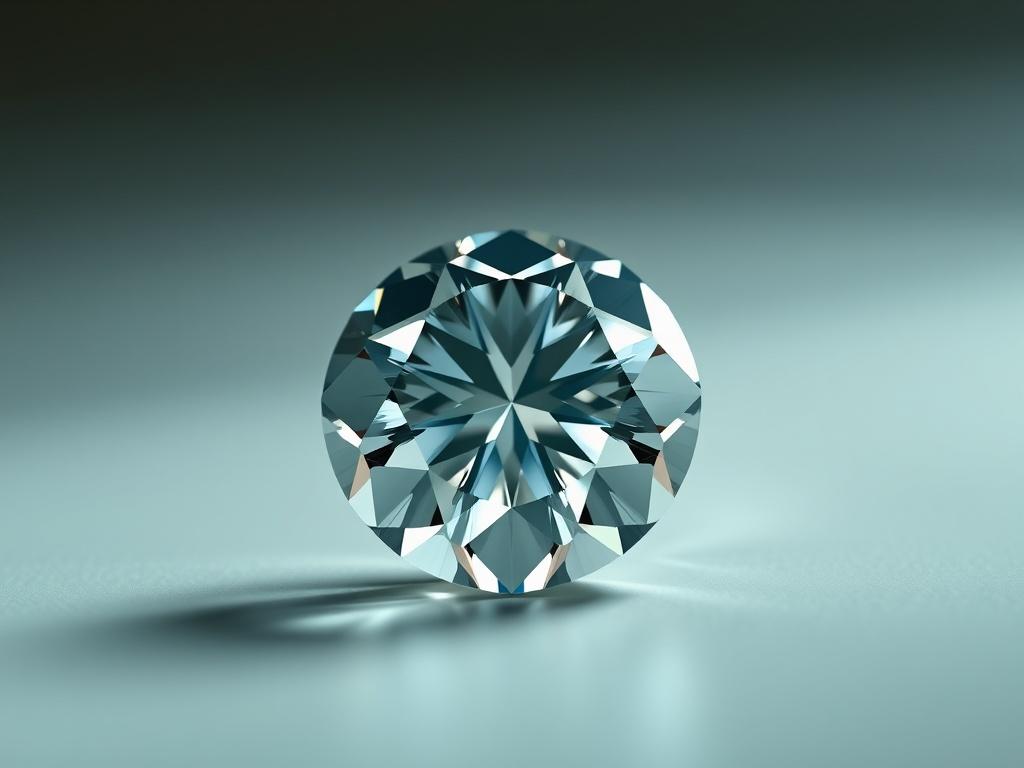 Understanding lab-grown diamondsDecember 12, 2025 at 4:21 AMIn this blog post, we explore the essential distinctions between lab-grown and natural diamonds, shedding light on their unique attributes, origins, and environmental impacts. As lab-grown diamonds continue to surge in popularity, we take a closer look at the factors driving this trend, including their ethical sourcing, affordability, and advancements in technology. Finally, we guide readers in making an informed choice between lab-grown and natural diamonds, helping them weigh the benefits and drawbacks of each option to select the perfect gem for their needs and values.
 -
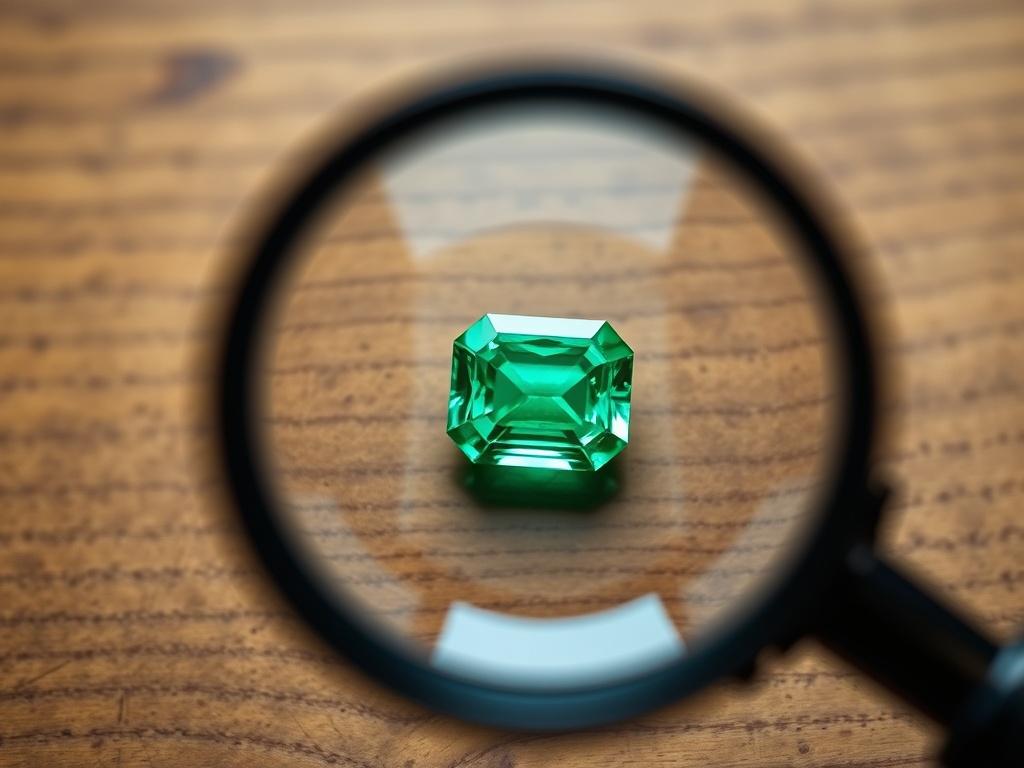 Detection of gemstonesIn the world of gemology, accurately detecting gemstones is crucial for ensuring authenticity and value in the market. This blog post delves into the various methods of gemstone detection, exploring how each technique contributes to identifying genuine gems from imitations. By emphasizing the importance of these detection methods, we highlight the role they play in protecting both consumers and dealers from potential losses. Additionally, we will examine the advanced tools and technologies available today that make effective gemstone detection possible, ensuring that collectors and enthusiasts can confidently navigate the intricate landscape of fine gemstones.
 -
 Value accessmentIn today's competitive landscape, understanding the importance of value assessment is crucial for informed decision-making that propels business success. This blog post delves into why accurately assessing value matters, highlighting key methodologies that facilitate precise evaluations. Moreover, we explore how effective value assessment not only informs strategic choices but also drives profitability and growth, enabling businesses to thrive in a dynamic marketplace. By leveraging these insights, organizations can enhance their decision-making processes and achieve sustainable success.
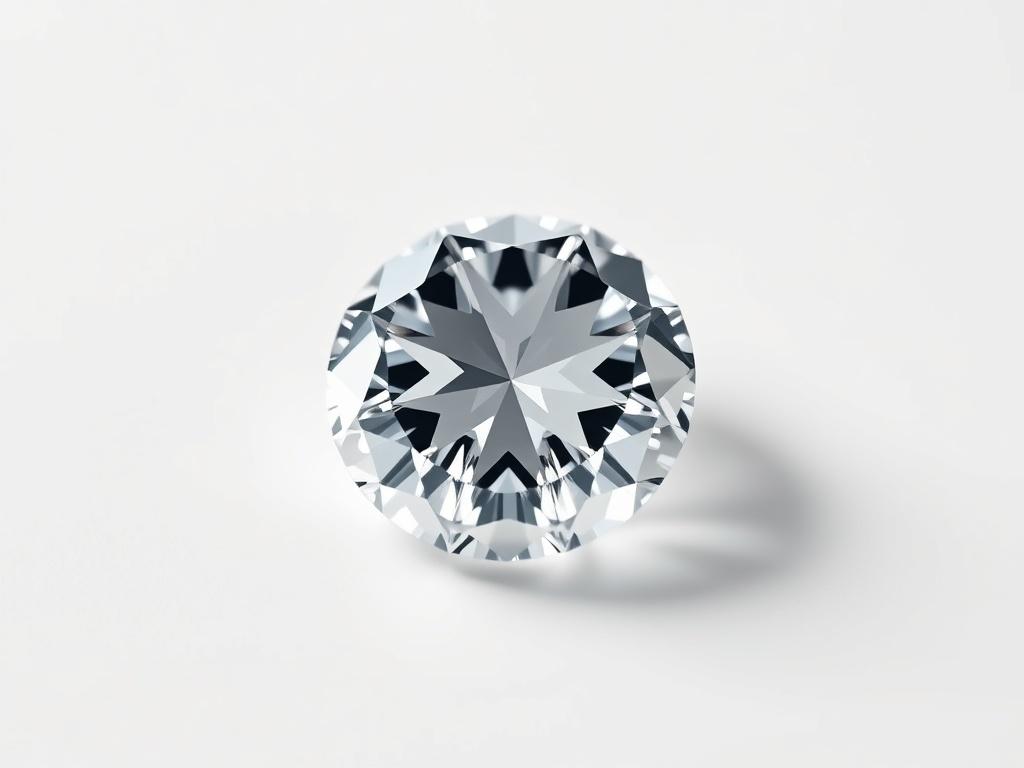
In recent years, lab-grown diamonds have emerged as a groundbreaking innovation in the world of gems, blending advanced science with ethical elegance. As consumers increasingly seek sustainable options, these chemically identical counterparts to natural diamonds offer a compelling alternative without sacrificing beauty or quality. This blog post invites you to explore the science and significance of lab-grown diamonds, shedding light on the processes that create them and their impact on contemporary jewelry.
The rise of lab-grown diamonds is not just a trend; it represents a transformative shift in the diamond industry. By understanding these gems, we can appreciate their role in promoting sustainability and transparency in an often opaque market. Join us as we delve into the innovative methods behind their creation, discuss their significance in modern jewelry, and examine how they are reshaping consumer perceptions and industry practices. Together, we’ll uncover why lab-grown diamonds are quickly becoming a staple in the modern jewelry landscape.
Exploring the innovative science behind lab-grown diamonds
Lab-grown diamonds are created using cutting-edge technology that replicates the natural processes that occur within the Earth. Scientists employ two primary methods to cultivate these gems: High-Pressure High-Temperature (HPHT) and Chemical Vapor Deposition (CVD). In the HPHT method, carbon is subjected to extreme heat and pressure, mimicking the conditions found deep beneath the Earth's surface. This process enables the formation of diamonds that possess the same physical and chemical properties as their natural counterparts, ensuring they are indistinguishable to the naked eye.
On the other hand, the CVD method involves placing a diamond seed in a chamber filled with carbon-rich gases. The gases are energized, causing the carbon atoms to deposit onto the seed and gradually crystallize into a diamond. This precise control over the growth environment allows scientists to produce diamonds with particular qualities and features tailored to consumer preferences. By delving into these innovative techniques, we not only understand the science of lab-grown diamonds but also gain insight into their potential for sustainable and ethical sourcing in the jewelry market.
The significance of lab-grown diamonds in modern jewelry
Lab-grown diamonds have revolutionized the landscape of modern jewelry, offering consumers a sustainable and ethical choice without compromising on quality or beauty. Unlike traditional diamonds, which are often mined through environmentally damaging practices, lab-grown diamonds are created in controlled conditions that significantly reduce their ecological footprint. This appeal resonates with today’s environmentally-conscious consumers who prioritize sustainability. By choosing lab-grown, customers not only acquire a stunning gem but also make a statement about their values, supporting ethical practices in the gemstone industry.
Moreover, the affordability of lab-grown diamonds makes them even more significant in today's market. These diamonds typically cost 20-40% less than their mined counterparts, allowing consumers to invest in larger or higher-quality stones for the same price. This price advantage opens up a wider range of options for couples looking to purchase engagement rings or other fine jewelry. As lab-grown diamonds gain popularity, they challenge the traditional perceptions of luxury and value, encouraging a new generation of consumers to redefine what it means to own a precious gem.
How lab-grown diamonds are reshaping the diamond industry
Lab-grown diamonds are revolutionizing the diamond industry by offering a sustainable and ethical alternative to mined diamonds. As consumers increasingly prioritize environmental and social responsibility, many are opting for lab-grown options that provide the same brilliance and quality without the associated ecological impact. This shift in consumer preference encourages traditional diamond companies to adapt their practices and includes lab-grown diamonds in their offerings. As a result, the industry is undergoing a transformation, with more retailers showcasing lab-grown diamonds alongside their natural counterparts.
Moreover, lab-grown diamonds are making luxury more accessible. With production processes that can be controlled and scaled, these diamonds often come at a lower price point compared to their mined counterparts. This accessibility allows a broader range of consumers to invest in high-quality diamonds without compromising on the attributes they desire. Consequently, the rise of lab-grown diamonds is influencing the market dynamics, leading to greater competition and a reevaluation of pricing structures within the entire diamond industry. As this trend continues, it is likely that more innovations and collaborations will emerge, further embedding lab-grown diamonds into the fabric of modern jewelry culture.